
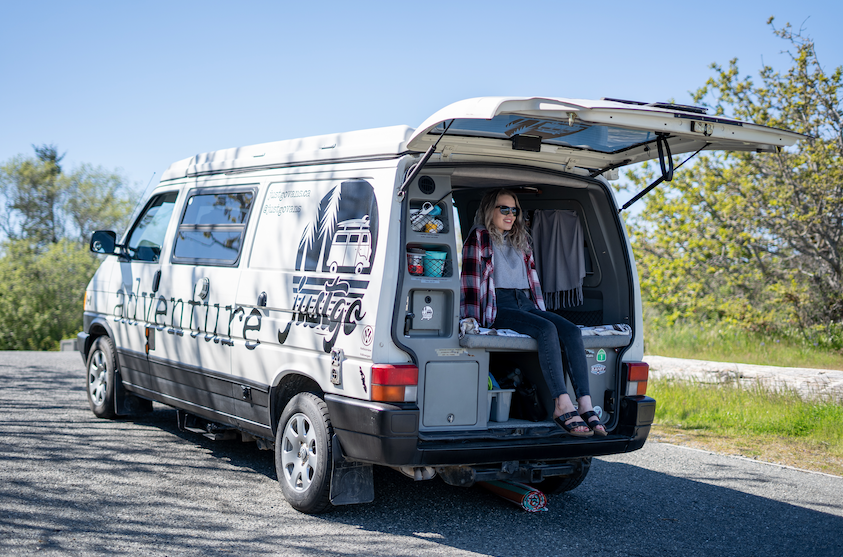
Getting to Vancouver Island is part of the adventure.
For many travellers arriving from mainland British Columbia, the Vancouver Island road trip begins before the wheels even touch the Island — aboard a BC Ferries sailing across the Salish Sea.
But which ferry should you take? Nanaimo or Victoria? Horseshoe Bay or Tsawwassen? Should you reserve? What happens if you’re travelling with a campervan or RV?
Here’s what to know before you go.
Getting to Vancouver Island by Ferry
The three major BC Ferries routes connecting Metro Vancouver with Vancouver Island are:
Vancouver (Horseshoe Bay) → Nanaimo (Departure Bay)
Vancouver (Tsawwassen) → Nanaimo (Duke Point)
Vancouver (Tsawwassen) → Victoria (Swartz Bay)
All three accommodate vehicles and can be booked in advance.
Which one makes the most sense depends largely on where you’re coming from and where you want your Vancouver Island road trip to begin.
Horseshoe Bay to Nanaimo: Departure Bay
For travellers coming from Vancouver, Whistler, Squamish or other areas north of the city, the Horseshoe Bay to Departure Bay route can put you directly into Nanaimo.
Horseshoe Bay is located in West Vancouver at the western end of the Trans-Canada Highway, while Departure Bay is right in Nanaimo and only about a five-minute drive from the city centre.
Important 2026 booking rule
If you’re taking a vehicle from Horseshoe Bay to Nanaimo, you currently must book and pay in advance. Drive-up vehicle fares are not available in that direction.
The rule applies specifically to Horseshoe Bay → Departure Bay. Travelling in the opposite direction, reservations are recommended but aren’t currently mandatory.
That is worth knowing before you arrive at Horseshoe Bay with a campervan expecting to simply join the next ferry lineup.
Tsawwassen to Nanaimo: Duke Point
The other major way to reach Nanaimo is from Tsawwassen to Duke Point.
Tsawwassen terminal is in Delta, approximately 36 km from downtown Vancouver. Duke Point is south of Nanaimo, approximately a 20-minute drive from the city.
This route can make sense if you’re coming from areas south of Vancouver or approaching through the Lower Mainland and want to start your Vancouver Island adventure around Nanaimo.
From there, you’ve got options.
Head west toward Port Alberni, Ucluelet and Tofino.
Travel north toward Parksville, Qualicum Beach, Comox and Campbell River.
Or point south toward Ladysmith, the Cowichan Valley and Victoria.
That’s one reason Nanaimo works so well as a central jumping-off point for exploring Vancouver Island.
Tsawwassen to Victoria: Swartz Bay
If Victoria and southern Vancouver Island are the first priorities on your itinerary, consider sailing from Tsawwassen to Swartz Bay.
Swartz Bay is north of Victoria at the end of Highway 17.
The crossing itself is approximately 1 hour and 35 minutes, although schedules and sailing times should always be confirmed when planning your trip.
Starting here puts you in an excellent position to explore Victoria, Sidney, Sooke, Jordan River and Port Renfrew before travelling farther north.
Should You Start Your Vancouver Island Road Trip in Nanaimo or Victoria?
There’s no universal answer.
Start around Nanaimo if your itinerary is heavily focused on central Vancouver Island, Tofino/Ucluelet or destinations farther north.
Start around Victoria if Victoria, Sooke, Port Renfrew and southern Vancouver Island are major parts of the trip.
You can also arrive through one and leave through the other.
For example:
Nanaimo → Parksville → Tofino → Cowichan Valley → Victoria
Then return to the mainland from Swartz Bay.
That creates a natural point-to-point Vancouver Island road trip rather than retracing the entire route.
Do You Need a BC Ferries Reservation?
For vehicle travel, booking ahead is a very good idea when your itinerary depends on a particular sailing, especially during busy travel periods.
BC Ferries accepts advance vehicle bookings on the three major Metro Vancouver–Vancouver Island routes.
One major exception is worth repeating: vehicles travelling from Horseshoe Bay to Nanaimo’s Departure Bay currently must be booked and paid for in advance.
On routes where drive-up travel is available, BC Ferries warns that space can be limited and sailing waits can occur during popular travel periods.
JUSTGO tip: if you’ve already reserved campgrounds, activities or accommodations for the same day, don’t make the ferry the uncertain part of your itinerary.
How Early Should You Arrive for BC Ferries?
Check the requirements for your specific terminal, route and fare type before travelling because check-in times vary.
For example, current booked vehicle check-in at Tsawwassen for Nanaimo or Victoria opens 60 minutes before departure and closes 30 minutes before departure. The same 30-to-60-minute booked-vehicle window currently applies at Nanaimo’s Duke Point and Departure Bay terminals.
Missing the required check-in window can mean losing your reservation and being moved to available space on a later sailing.
Don’t plan to roll into the terminal two minutes before departure.
This isn’t that kind of boat.
Taking a Campervan or RV on BC Ferries
Yes — campervans, vans and motorhomes can travel aboard BC Ferries.
But vehicle dimensions matter.
BC Ferries currently separates vehicles based partly on height and length, including:
7 ft / 2.13 m and under
Over 7 ft / 2.13 m
and
Under 20 ft / 6.10 m
Over 20 ft / 6.10 m
If the height of a reserved vehicle doesn’t match at check-in, BC Ferries says the booking will not be honoured. A reserved vehicle length differing by more than five feet (1.5 metres) can cause the same problem.
So if you’re travelling in a campervan, larger RV or towing something:
know the vehicle’s dimensions before making the reservation.
How Much Does the Ferry to Vancouver Island Cost?
Ferry pricing depends on factors including:
- route
- fare type
- passengers
- vehicle size
- sailing
- availability
Rather than putting a static price in your road-trip budget, use the current BC Ferries Fare Calculator for the vehicle and sailing you’re actually considering.
BC Ferries offers different fare choices on major South Coast routes, and availability and conditions can vary.
For a campervan or RV trip, remember that vehicle dimensions can affect the fare, so don’t automatically budget based on a standard passenger car.
Can You Walk Onto the Ferry?
Yes.
And this can create a completely different way to begin a JUSTGO trip.
BC Ferries now allows advance foot-passenger bookings on the major routes between Metro Vancouver and Vancouver Island, including Tsawwassen–Victoria, Tsawwassen–Nanaimo and Horseshoe Bay–Nanaimo. Walk-on space also remains available on a first-come, first-served basis.
For travellers who don’t need to bring a mainland vehicle, walking aboard and picking up a rental after arriving on Vancouver Island can simplify the trip.
Can You Take a Rental Campervan on BC Ferries?
Generally, a properly authorized rental vehicle can travel aboard the ferry, but always check the terms of your individual rental agreement before planning ferry travel.
You should also know the exact dimensions of the vehicle when making your ferry reservation.
For JUSTGO travellers, current vehicle rentals, bookings and fleet operations are managed through Island RV Rentals in Lantzville, just north of Nanaimo.
Don’t Treat the Ferry Like Dead Travel Time
This is where we’d make the article feel distinctly JUSTGO.
Once you’re aboard, go outside.
The crossing gives you views of the coast, islands and surrounding waterways before your Vancouver Island road trip has technically even started.
Keep an eye on the water.
Grab a coffee.
Step onto the deck.
Put the phone down for five minutes.
You’re already on the trip.
A Simple Vancouver Island Ferry Road Trip Plan
If you’re planning your first Island adventure, here’s an easy framework:
DAY 1
Ferry to Nanaimo → pick up campervan/RV → explore Nanaimo or Parksville
DAY 2
Parksville → Cathedral Grove → Port Alberni → Ucluelet
DAY 3–4
Ucluelet → Pacific Rim → Tofino
DAY 5
West Coast → Cowichan Valley
DAY 6
Cowichan Valley → Victoria
DAY 7
Victoria → Swartz Bay → ferry back to the mainland
Suddenly the ferry isn’t simply transportation.
It’s the beginning and end of the route.
Vancouver Island Ferry Tips Before You Go
Before leaving, remember:
- Reserve vehicle travel ahead when your schedule matters.
- Remember that Horseshoe Bay → Nanaimo currently requires advance booking/payment for vehicles.
- Confirm your campervan or RV height and length before booking.
- Check your terminal-specific check-in window.
- Allow extra time during peak travel periods.
- Check current conditions before leaving.
- Don’t schedule an extremely tight connection after your ferry.
- Consider arriving through Nanaimo and departing through Victoria — or vice versa.
- Build some flexibility into the trip.
Ferry policies, schedules and fares change, so always confirm current information directly with BC Ferries before travelling.
Your Vancouver Island Road Trip Starts Here
Once you step off the ferry, the hard part isn’t finding somewhere to go.
It’s deciding which direction to point the van.
Explore our Vancouver Island Road Trip Map, 7-Day Vancouver Island Campervan Road Trip Itinerary, Best Beaches on Vancouver Island, Best Vancouver Island Campgrounds, Campervan Packing List and other Vancouver Island Travel Guides to build your adventure.
Then choose your wheels and JUSTGO.